
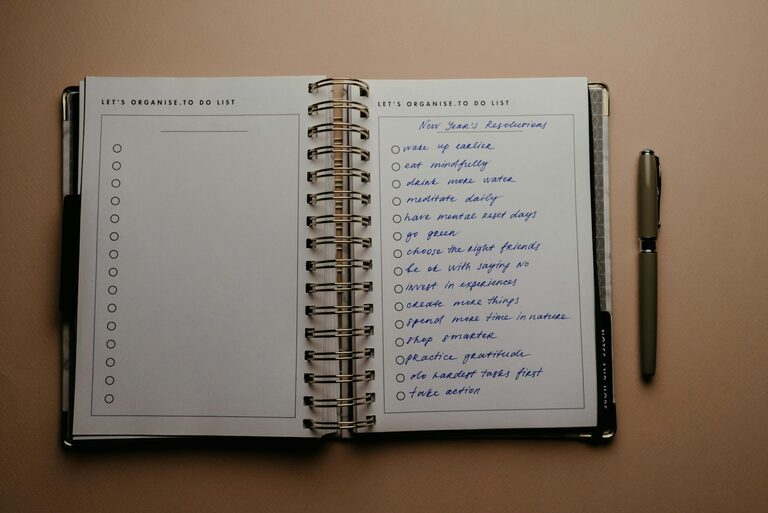
Developing good habits and sticking to them can be challenging. Whether you want to exercise more, read daily, or improve your diet, tracking your progress can be a powerful tool to help you stay consistent and motivated.
In this post, we’ll explore practical strategies to track habits effectively and maintain steady progress without feeling overwhelmed.
Why Tracking Habits Matters
Tracking your habits serves several important purposes:
– Builds awareness: By monitoring your actions, you notice patterns and identify triggers or obstacles.
– Boosts motivation: Seeing progress, even small wins, encourages you to keep going.
– Creates accountability: A record of daily efforts makes it easier to avoid skipping your routine.
– Helps adjust goals: Tracking reveals what works and what doesn’t so you can refine your approach.
Without tracking, it’s easy to forget how often you’ve been consistent and lose focus on your goals.
Different Ways to Track Your Habits
There’s no one-size-fits-all method; choose what fits your lifestyle and preferences best.
1. Paper Habit Trackers
Bullet journals, printed habit sheets, or simple checklists allow you to mark completed tasks daily. This tactile approach offers satisfaction from physically crossing off days.
Tips for paper tracking:
– Use symbols or colors for quick recognition.
– Keep the tracker visible (on your desk or fridge).
– Combine with journaling to note thoughts or challenges.
2. Mobile Apps
Habit tracking apps offer convenience and reminders. Popular apps include Habitica, Loop, and Streaks. Many provide charts and streak counts for motivation.
Advantages:
– Notifications help you remember.
– Automatic progress summaries.
– Customizable habit lists.
3. Digital Spreadsheets
If you prefer flexibility, spreadsheets (Google Sheets or Excel) allow you to create tailored trackers with formulas and charts.
How to use spreadsheets:
– List habits in rows or columns.
– Mark daily completion with checkmarks or colors.
– Use formulas to calculate streaks or success rates.
4. Calendars
Mark habit completion directly on your calendar as an “X” or color code. Seeing a consistent chain of days motivates you to avoid breaking the streak.
Tips to Stay Consistent With Habit Tracking
Tracking alone isn’t a guarantee of success. Combine it with these habits to maintain consistency:
Set Clear, Realistic Goals
Start small. Instead of “exercise for an hour daily,” try “walk 10 minutes.” Achievable goals build confidence and help form lasting habits.
Establish a Routine
Attach new habits to existing ones (e.g., stretch right after brushing your teeth). This creates natural reminders.
Use Reminders and Triggers
Set alarms or place visual cues where you’ll see them. Apps can send push notifications to prompt action.
Celebrate Small Wins
Acknowledge every day you complete your habit. Positive reinforcement strengthens commitment.
Review Progress Weekly
Spend a few minutes reflecting on your tracker at the end of each week. Identify obstacles and adjust your methods.
Be Kind to Yourself
Missing a day doesn’t mean failure. Avoid negative self-talk and focus on getting back on track.
Sample Habit Tracking Routine
Here’s an example of how you might organize habit tracking:
- **Choose 2–3 habits** to focus on initially.
- Create a simple chart with days of the week across the top and habits along the side.
- Each night, mark off the habits you completed.
- Use your phone reminder to alert you earlier in the day.
- At week's end, review and plan for the next week.
Final Thoughts
Tracking habits is a practical way to build consistency and achieve your goals. By selecting a tracking method that suits you and combining it with thoughtful routines and positive mindset, you can create lasting change. Start small, stay patient, and watch your progress grow day by day!
If you enjoyed these tips, feel free to share your own habit tracking methods in the comments below. Let’s support each other in building better habits and healthier routines!